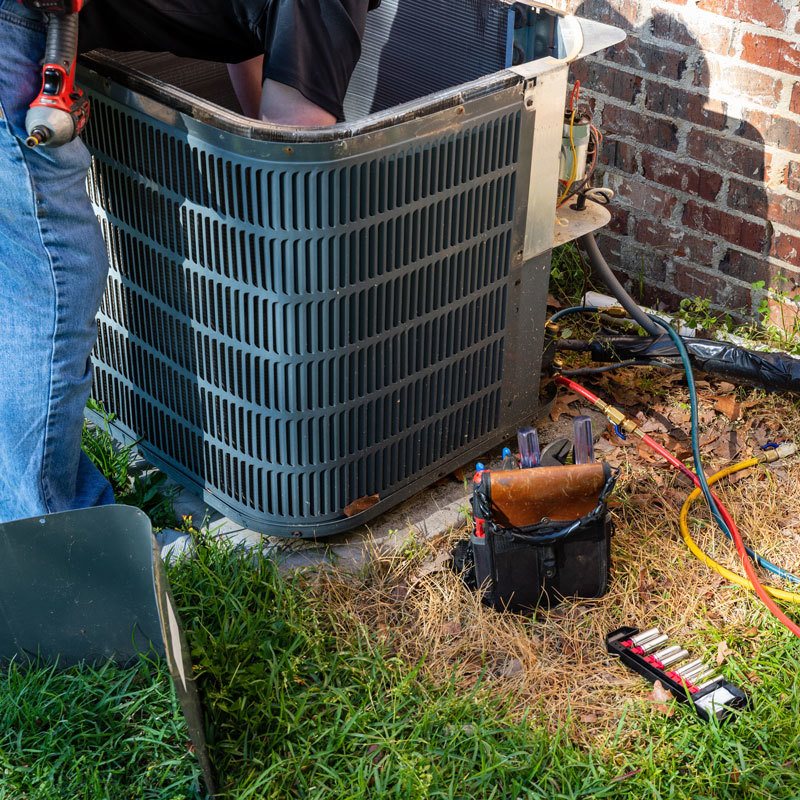
Cold weather can arrive suddenly, so a solid heating plan matters more than ever. I’m sharing a prevention-first approach shaped by real-world service calls and everyday homeowner wins. We’ll walk through scoping the work, choosing the right parts, timing the steps, and setting quality checks that catch risks early. The angle here is simple: protect comfort and safety by preventing small issues from snowballing. You’ll also see what to ask a technician, how to coordinate with your household, and which trade-offs actually save money over a full season. Quick checks beat emergency breakdowns, and clear scheduling keeps the home warm without chaos. If you’ve ever searched hvac near me on a freezing night, you know why a plan counts. With a bit of prep, you can avoid high bills and drawn-out delays. By the end, you’ll know how to act with confidence.
Define clear heating priorities and scope before cold snaps
Start by listing targeted rooms, comfort levels, and any inconsistent symptoms, like a clicking blower or short cycles. You can compare options at heater repair galveston today for fast help. Map out which areas you feel cold spots, note older vents, and record thermostat patterns. Keep your scope tight and realistic. Or choose a wider review when problems stack up.
During scoping, separate must-fix safety tasks from efficiency upgrades. Prioritize flame-sensor tests, look at filter dates, and confirm fuse status. Document serial numbers and last service dates to avoid duplicate trips. This quick list cuts back-and-forth. It also creates a shared roadmap with your technician.
Choose proper parts, filters, and approved inputs for reliability
Match filters to the unit, confirm the MERV rating, and check gas line flex for age. You can explore trusted help at heater repair galveston any time for quick guidance. Keep a backup ignitor and a new thermostat battery on hand. Plenty of repairs shrink to minutes when parts are ready. But wrong pieces can create bigger hazards.
For example, a homeowner swapped to an overly dense filter and starved airflow. The heat exchanger overheated, and limits tripped again, forcing short runs. Returning to the listed filter fixed it. Stock factory gaskets, correct gauge tape, and compatible ignitors to prevent leaks. Small supply choices ripple into safety and lifespan.
Build realistic workflows and clean schedules that reduce downtime
Sequence tasks so access improves each step. You can streamline service by visiting heater repair galveston for quick comparisons. Start outside with vents, move to the cabinet, then wrap up with thermostat tests. Make space before you open panels. Or you’ll burn time shuffling storage mid-repair.
Set durations you can actually keep: 10 minutes for filter and visual checks, 15 for electrical testing, 20 for gas and flame review. Pad time for stuck panels or rusted screws. Use a checklist for tasks and a stopwatch for pace. This rhythm prevents mid-job surprises. It also helps neighbors or teammates know when noise will occur.
Verify safety points and manage hazards with simple checks
Quality isn’t a mystery; it’s consistent checks done every visit. You can keep everyone safer by reviewing heater repair galveston before booking any visit. Confirm shutoff positions, test CO alarms, and scan for discoloration. Measure temperature rise against the nameplate. Or you’ll miss early signs of airflow trouble.
On one light commercial job, we found a shaking inducer mount that buzzed at start-up. Left alone, it could have cracked the housing and spiked CO risk. A five-minute tighten and a dab of threadlock solved it. Photograph readings, tag adjusted parts, and log outcomes in a notebook. The paper trail protects you later.
Plan ongoing care, cleaning, and lifecycle upkeep for savings
Maintenance pays back over a season, not a minute. You can line up routine care via heater repair galveston and avoid last-minute scrambles. Schedule pre-season cleaning, mid-season filter swaps, and end-of-season wrap-up checks. These quick rounds keep output steady. They also spread costs instead of spiking one bill.
Consider two homes on the same block. One did twice-yearly checks and logged airflow; the other waited for a no-heat call. The first kept bills stable all winter. The second faced urgent parts orders and a weekend rate. Bundle tasks with range hood cleaning to maximize a single visit. You’ll reclaim time and comfort together.
Conclusion
You now have a workable path: define the scope, stage the right inputs, set a schedule, verify quality, and keep up routine care. This maintenance-first mindset cuts emergencies and keeps warmth steady. Carry these steps into your next cold snap, and adjust them to your home or light commercial space. When you act early and stay consistent, heaters last longer and the season feels easier.
