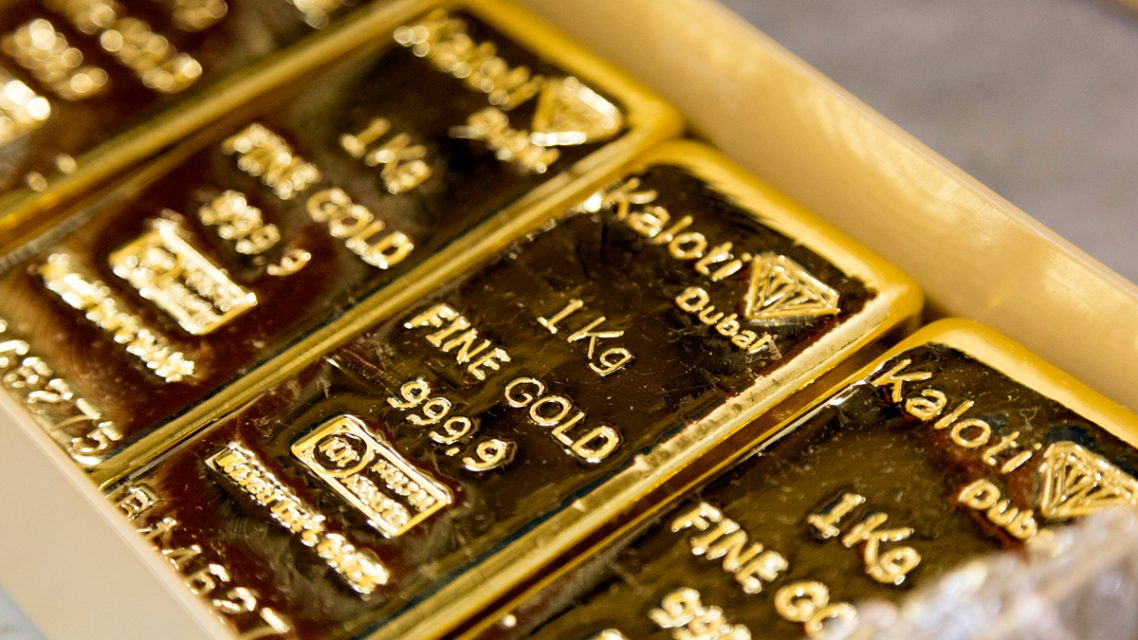
This case study follows a hypothetical investor, Maya Ortiz, who sought to diversify a standard self-directed IRA by together with physical treasured metals. The purpose was to scale back publicity to traditional stock market shocks, hedge in opposition to inflation, and preserve buying energy for retirement. The narrative outlines the regulatory framework, choice-making process, sensible implementation, and classes realized from Maya’s expertise with metals which are allowed in an IRA.
Regulatory framework and eligibility
U.S. Internal Revenue Service rules permit holding sure valuable metals inside an individual retirement account, offered the metals meet particular standards and are held by an authorized custodian and depository. In broad phrases, gold, silver, platinum, and palladium are allowable when they're in the type of coins or bars that meet minimal fineness and purity requirements and come from authorities mints or IRS-authorised refiners. Typical requirements embody gold ira companies for tax-advantaged retirement accounts at a minimal fineness around 0.995, silver at 0.999, and platinum and palladium at 0.9995 or larger. Coins should not be "collectible" in nature and have to be produced by eligible mints or refiners. The bodily metals must be owned by the IRA custodian and saved in an IRS-certified depository; the account holder cannot take physical possession of the steel with out triggering tax penalties and penalties.
Investor profile and goals
Maya was approaching retirement and wished a hedge against inflation and currency risk that paired with her equity-heavy portfolio. Her advisor described three objectives: (1) preserve capital throughout periods of market stress, (2) present diversification by way of a unique asset class, and (3) make sure the holdings remained throughout the legal boundaries of her self-directed IRA. Maya was conscious of the additional prices: annual storage fees, depository insurance, custodian charges, and potential bid-ask premiums on bodily metals. She additionally needed liquidity in case of required distributions or rebalancing, so she sought a mixture of metals with a broad marketplace for resale and a monitor report of acceptance by IRA custodians.
Implementation: selecting a custodian, refiner, and depository
The implementation started with selecting a self-directed IRA custodian that could handle bodily treasured metals and coordinate with an IRS-accepted depository. Maya evaluated custodians on elements comparable to account minimums, custody preparations, storage choices, insurance coverage coverage, and ease of electronic reporting. After narrowing the field, she selected a custodian identified for transparency on premiums, transport, and storage fees.
Next, the team identified eligible products. For gold, the main target was on 99.5% fineness or higher bars or coins from government mints or LBMA-certified refiners. For silver, 99.9% fineness or higher from recognized mints or refiners. Platinum and palladium selections included coins or bars with 99.95%+ purity from established mints. The emphasis was on liquidity and clear provenance to minimize danger of disqualification during IRS audits or audits by the custodian.
The precise buy process concerned working with a good precious metals dealer that was authorized by Maya’s custodian. The vendor offered product specs, fineness certifications, and serial numbers. Earlier than any transfer, the dealer issued a compliance package deal confirming that every merchandise met IRS requirements and that no "collectible" coins have been included in the purchase. Once the metals arrived, they had been shipped directly to the depository, with full shipment and stock documentation provided to the custodian for tax and recordkeeping functions. The depository’s insured vaults offered segregated storage, separate from other clients’ holdings, and the custodian maintained online entry to the stock standing.
Allocation technique and product combine
Maya’s goal allocation reflected a tilt towards diversification rather than a single metal bet. The proposed structure was:
- Gold: 40% of the precious metals part, primarily in 99.5% fineness bars and government-m minted coins with robust market liquidity.
- Silver: 25% to 30%, utilizing 999 positive bars and acknowledged mint coins where applicable, balancing liquidity with price volatility issues.
- Platinum: 15% to 20%, largely in 999.5 wonderful coins or bars from reputable refineries, given platinum’s shorter-term liquidity window but potential for favorable long-run supply-demand dynamics.
- Palladium: 5% to 10%, focusing on 999.5 wonderful coins or bars, recognizing its sensitivity to automotive business demand and provide constraints.
The general objective was to keep away from concentration risk, maintain price effectivity, and preserve the potential of rebalancing as market situations evolve.
Costs and ongoing administration
The case emphasized the necessity to grasp a complete cost structure, which sometimes consists of:
- Premiums above spot worth at buy, reflecting product sort, kind, and market conditions.
- Transport and handling fees from the supplier to the depository.
- Annual storage and depository insurance fees, usually quoted as a flat annual fee or a tiered payment based mostly on the metallic value.
- Custodian administration fees for IRA recordkeeping, reporting, and compliance oversight.
- Potential redemption charges if Maya selected to liquidate a portion of her metals or alter her allocation.
The management plan involved quarterly evaluate of price movements, storage costs, and any regulatory updates that might have an effect on eligibility. The custodian offered common statements showing the metal allocation, amount, and current market value, whereas the depository supplied independent third-social gathering insurance coverage coverage for the saved assets.
Tax considerations and distribution implications
Steel holdings inside an IRA are subject to the same tax remedy as different IRA belongings, depending on whether the account is traditional or Roth and whether or not distributions are certified. In a conventional IRA, distributions are typically taxable as odd earnings, and early withdrawals before age 59½ might incur penalties. For Roth IRAs, certified distributions are tax-free, subject to meeting specific holding interval necessities. The bodily nature of the property does not alter the elemental tax therapy, but it surely does have an effect on money movement administration round distributions, as the investor can not bodily access the metals with out triggering a distribution and possible tax implications. The case also highlighted the significance of staying compliant with prohibited transactions and making certain that no direct "self-dealing" happens, equivalent to taking possession of metals exterior the custodian’s control.
Efficiency narrative and outcomes
Over a multi-year horizon, Maya’s treasured metals allocation contributed to portfolio diversification during equity market downturns, with gold and silver usually showing counterbalanced price conduct relative to equities. The metals portion did not guarantee outsized positive factors, but it surely provided a stabilizing effect when stock markets have been risky, aiding threat administration and behavioral consolation during retirement planning. Liquidity within the depository environment was generally solid for standard bars and extensively traded coins, though minor bid-ask spreads and premiums might fluctuate with market conditions. The mix of liquidity, carried insurance, and IRS eligibility created a viable alternative to purely paper-primarily based hedges.