Foods that you consume or consume throughout workout that supply carb can aid postpone the depletion of muscle mass glycogen and protect against hypoglycemia. Beta oxidation is the degradation of fatty acids by getting rid of two carbons at once. It is the key path for assimilation of fats and occurs in the mitochondrial matrix of
tissues such as the liver, muscular tissue, and adipose. Two-carbon pieces are together removed from the carboxyl end of the fatty acyl-CoA, producing NADH, FADH, and Acetyl CoA, which is used in the TCA cycle to make ATP. Fats with strange numbers of carbon inevitably produce one mole of propionyl-CoA, which is transformed to succinyl CoA so that it is useful in the TCA cycle.
- When they have actually successfully dropped weight but remain discontented with other components of their life, they can come under a cycle of frustration.
- This causes fat spilling right into essential body organs, increasing the threat of significant metabolic and heart diseases.
- In order to make use of fat as energy, the body breaks down the fat (triglycerides) into smaller sized fats.
- Adipose tissue connects with your entire body to preserve your metabolic homeostasis.
Obtaining Fats From Food
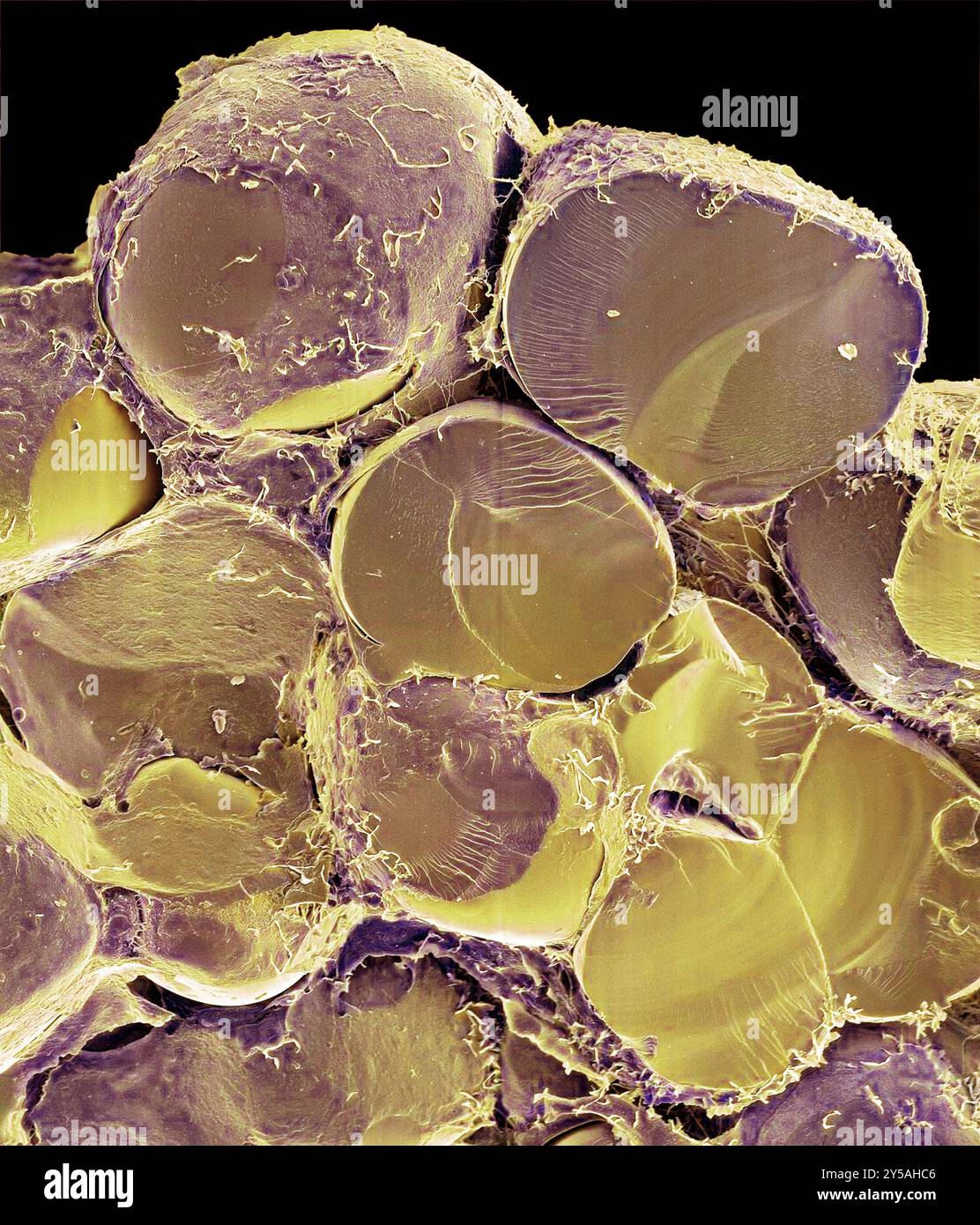
As fat cells continue to save a lot more fat in time, they start to increase in dimension. Fat cells, likewise known as adipocytes, are been experts cells made to store power in the form of triglycerides. Excessive fat storage space brings about obesity, but shedding way too much fat can cause severe loss of weight and muscle mass. This latter problem, called throwing away disorder or cachexia, prevails in individuals with cancer cells, making it that a lot harder to fight the illness. In addition to taking in triglycerides from food,
Goodreads said, we also have a lot of stores of triglycerides in our fat or adipose tissue.
To handle excess energy, the body can create brand-new fat cells with a procedure called hyperplasia. Now, researchers in the Sloan Kettering Institute research laboratory of Frederic Geissmann have made an essential exploration concerning this power guideline process. In mice, they recognized a molecular healthy protein called PDGF-CC that indicates the
adipocytes to absorb more fat.
What are the biggest weight loss mistakes?
- Remember: your decrease in weight doesn't always mirror fat loss.Mistake 2: overestimating calories burned.Mistake 3: not getting adequate protein.Mistake 4: relying on cardio.Mistake 5:
- missing rest and recovery.Mistake 8: not tracking your intake.Ready to act? Making use of a digital pedometer to track your actions. & #x 201c; After about 30 to 60 minutes
- of cardio workout, your body starts burning mostly fat, & #x 201d; Dr. Rifai explains.( If you're working out moderately, this takes
about an hour. )If all that exercise really feels out of reach for you, start slow and build your way up.
Brand-new Approach Imagines Sludge Mold And Mildew Protein Assemblies
FFAs convert to ketone bodies in the liver, which works as a power source for the brain, hence reducing more consumption of already diminished blood sugar. FFAs are used throughout the body for power production or biosynthetic pathways except in white fat (WAT) where they are kept. Chylomicrons serve to move triglycerides in the blood stream, largely from the intestinal tract to the liver. Blood vessels supplying our skeletal muscles and adipose (fat) tissue, nonetheless, generate an enzyme called lipoprotein lipase. This enzyme breaks down the triglycerides had within chylomicrons, launching fats. These fats, called totally free fatty acids, can then be utilized by muscle mass cells for energy, or be converted into fat shops in adipose tissue.
The Process Of Fat Creation
The body is not able to utilize all the excess calories for instant power requirements, and the excess is stored as excess fat. As with chylomicrons, triglycerides in VLDL are damaged down by the lipoprotein lipase enzyme in blood vessels providing our skeletal muscle and adipose tissue. This process releases fats, which our skeletal muscular tissues can utilize for power.
Private investigators were able to see that eliminating TCPTP in overweight subjects switched on browning of fat after feeding to promote weight-loss. They even saw that when TCPTP was completely held back, obesity was prevented, despite having overfeeding. There is enjoyment around these outcomes due to the fact that for the very first time the mechanism behind the switch from brownish fat to white fat and brownish again has been disclosed. This test data can help you establish exactly how reliable you are at utilizing fat for fuel (fat oxidation), while sparing priceless glycogen shops. Such information can inform the type of training you do and what you consume during sessions to satisfy your requirements and fit your physiology.
The mice consumed and soaked up the normal amount of food, however they quickly burnt the calories. To recognize exactly how this message was sent, the researchers carried out genetic testing of fruit flies. They found that a healthy protein called Pvf3 is vital for fat storage in the fly larvae, which require to save energy in order to expand. This finding aimed the scientists to the matching healthy protein in mice, PDGF-CC. If Acetyl-CoA appears familiar, it's due to the fact that it is additionally generated when mitochondria use sugar as a gas. After the first stage of cardio respiration, Acetyl-CoA is developed from the failure of sugar (through pyruvate).
Researchers don't totally comprehend the certain contribution of adipose-derived fats to liver lipidome, yet research studies suggest these compose 70% of the triglyceride swimming pool in the human liver. The technique created by the authors monitors product and liver lipid degrees after boosting adipocyte lipolysis. To identify the different lipid varieties, the group worked together with UCLA Lipidomics Core. Direct exposure to cool temperatures naturally sets off the mind to stimulate brown fat cells and produce heat. Through a series of chain reactions, fatty acyl-CoA is exchanged the molecule Acetyl-CoA. The malfunction of saved triglycerides right into fats (i.e. lipolysis) is stimulated by the hormone adrenaline (epinephrine).